
25 Best Things to Do in Osaka, Japan
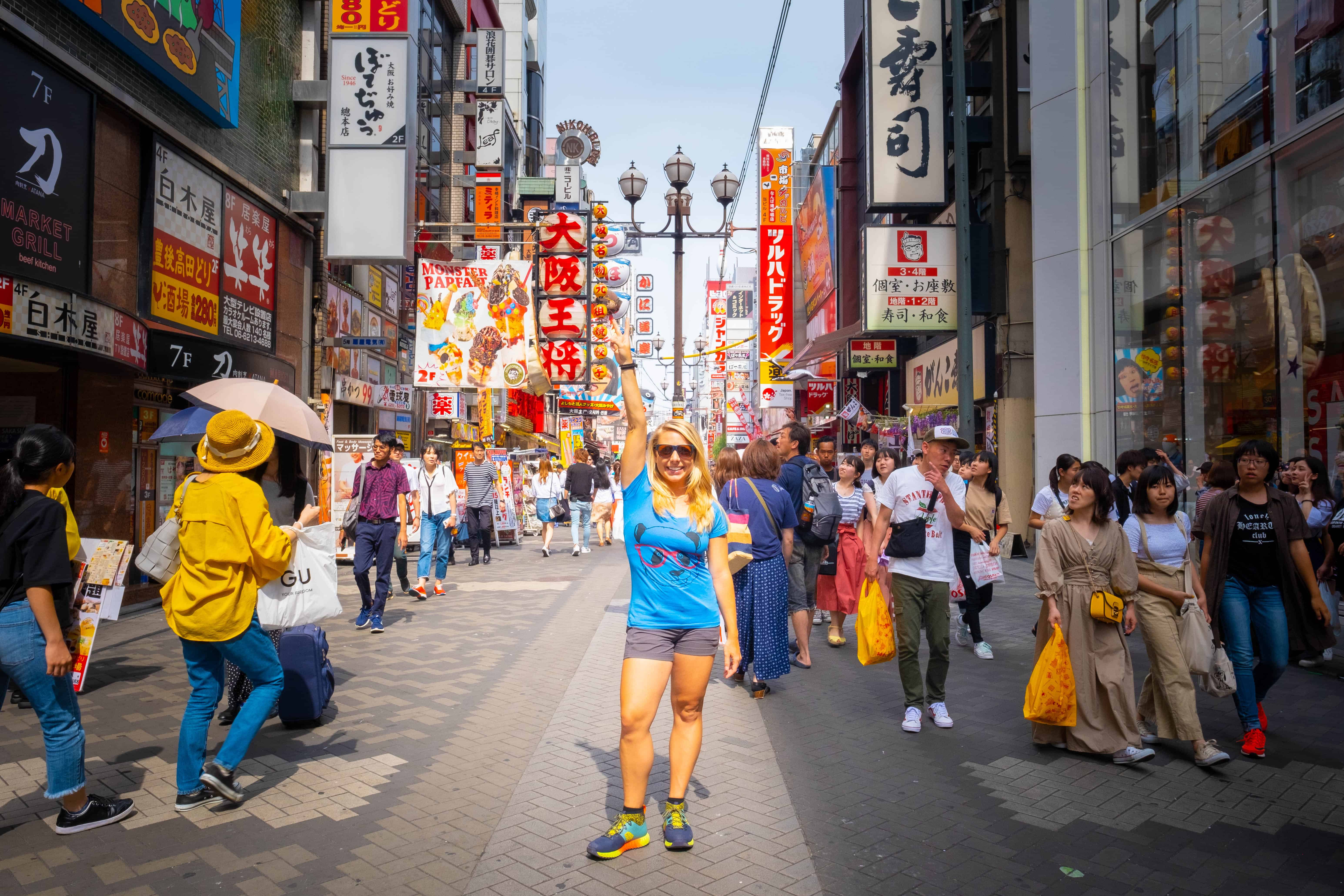
Osaka is Japan’s kitchen, its loudest city, and the most fun we’ve had in a Japanese city. It feels less buttoned-up than Tokyo and more lived-in than Kyoto.
Neon signs line the canals, locals are happy to chat, and there’s food on every corner. A lot of travelers treat it as a base for day trips to Kyoto and Nara, but Osaka deserves a few days of its own.
Best Things to Do in Osaka
Spend an Evening in Dotonbori

We had a great time in Dotonbori. If you only have one night in Osaka, this is where to spend it. The canal is lined with giant mechanical crabs, glowing billboards, and the famous Glico Running Man, and the whole street runs on street food. It’s always busy, but it really comes alive after dark.
For a different view of the lights, take one of the short river cruises that run along the canal. They’re a nice break from the crowds on the bridges.
Ride the Ebisu Tower Ferris Wheel
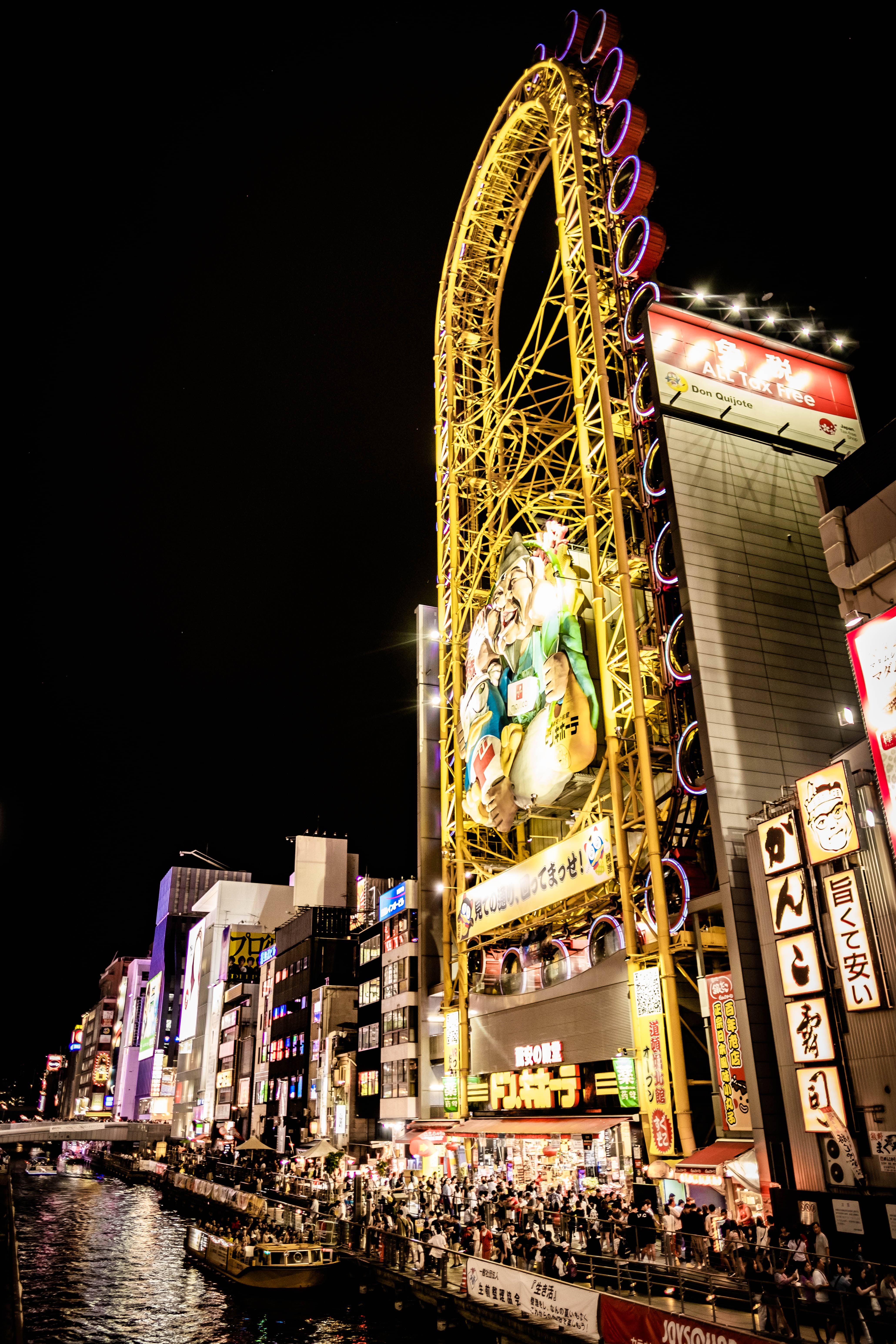
You can’t miss the bright yellow oval Ferris wheel on the side of the Don Quijote building. It sat unused for almost a decade before reopening in 2018. A full loop takes about 15 minutes, climbs to 77 meters, and gives you the best aerial view of Dotonbori at night. The standard ticket is ¥600. Fair warning: it’s a bit unnerving if you’re afraid of heights.
Eat Okonomiyaki

Okonomiyaki is a savory cabbage pancake piled with whatever toppings you like. Okonomi means “as you like it” and yaki means “grilled,” and Osaka claims it as its own. We searched Dotonbori for a good one and ended up at Creo-Ru. One pancake was plenty for the two of us.
Try Takoyaki

These are batter balls filled with octopus, topped with sauce, mayo, and bonito flakes, and they’re sold from stalls all along Dotonbori. Takoyaki became popular in Osaka in the 1930s, and Aizuya says it’s where the snack was invented. Let them cool for a minute before you bite in, or you’ll burn your mouth.
Have a Bowl of Udon at Tsurutontan

Tsurutontan in Soemoncho, near the edge of Dotonbori, serves the best udon we had in Japan. The bowls are huge, the noodles are thick and chewy, and we ate ours looking out over the river.
Get a Jiggly Cheesecake from Rikuro Ojisan no Mise
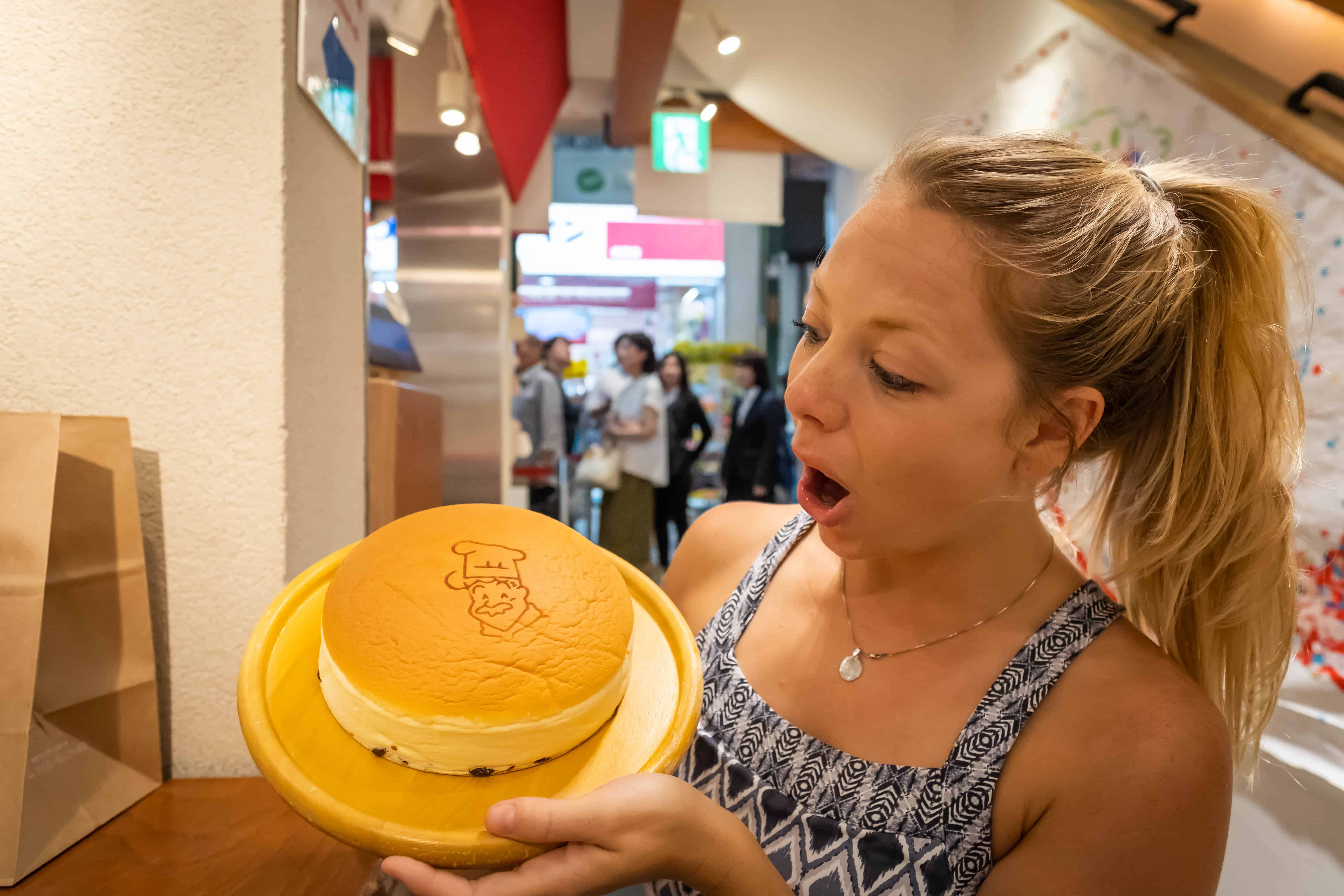
Rikuro’s fluffy, wobbly cheesecakes come out of the oven all day. They’re sold whole, not by the slice (about ¥965), so bring someone to share. We only waited about five minutes in line, but it can get much longer depending on the day. They also keep well if your room has a fridge.
Graze Through Kuromon Market

Kuromon Ichiba is a covered market about 580 meters long, packed with stalls selling seafood, wagyu skewers, fruit, and snacks. We’ll be honest: it felt pretty touristy, and prices are set for visitors. It’s still worth a stop, but it isn’t the local food market some people expect. Come hungry and go early.
Walk Shinsaibashi-suji

Shinsaibashi-suji is a long covered shopping arcade that runs north from Dotonbori. It has everything from global brands to drugstores and small local shops. It’s a good way to get between neighborhoods on a rainy day.
Explore Amerika-Mura

Amerika-Mura (“American Village,” or Amemura to locals) got its name after World War II, when it was the place to find American goods. Today it’s Osaka’s youth-culture hub, full of vintage shops, street art, cafés, and bars. There’s even a mini Statue of Liberty. Triangle Park is the unofficial meeting spot before a night out.
Play Pinball at Silver Ball Planet
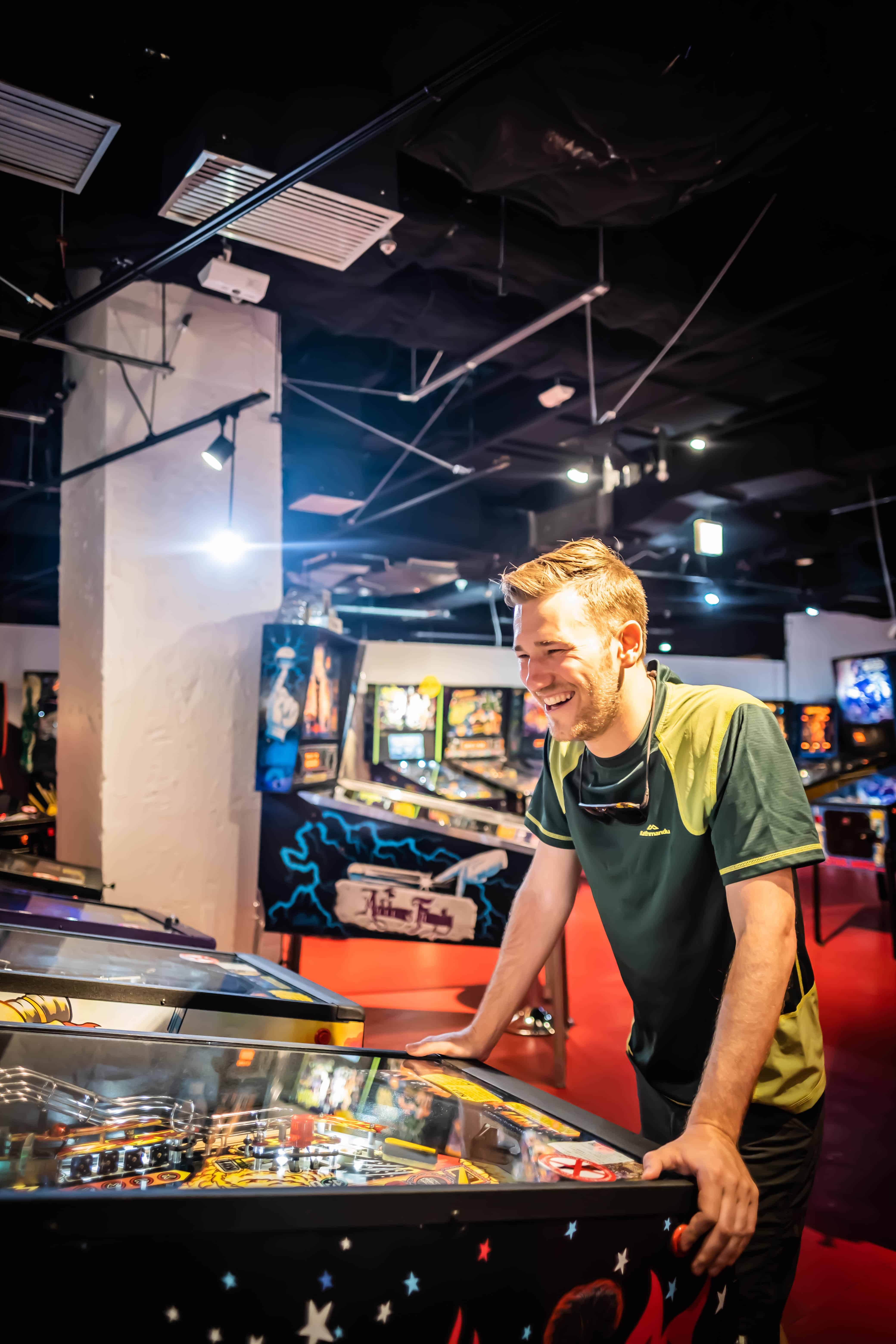

Upstairs in the Big Step mall in Amerika-Mura, Silver Ball Planet has one of the biggest pinball collections outside the US. Most games are ¥100, and a few older ones cost less. Bring coins, because it’s an easy place to lose an hour or two.
Grab a Coffee at Lilo Coffee Roasters
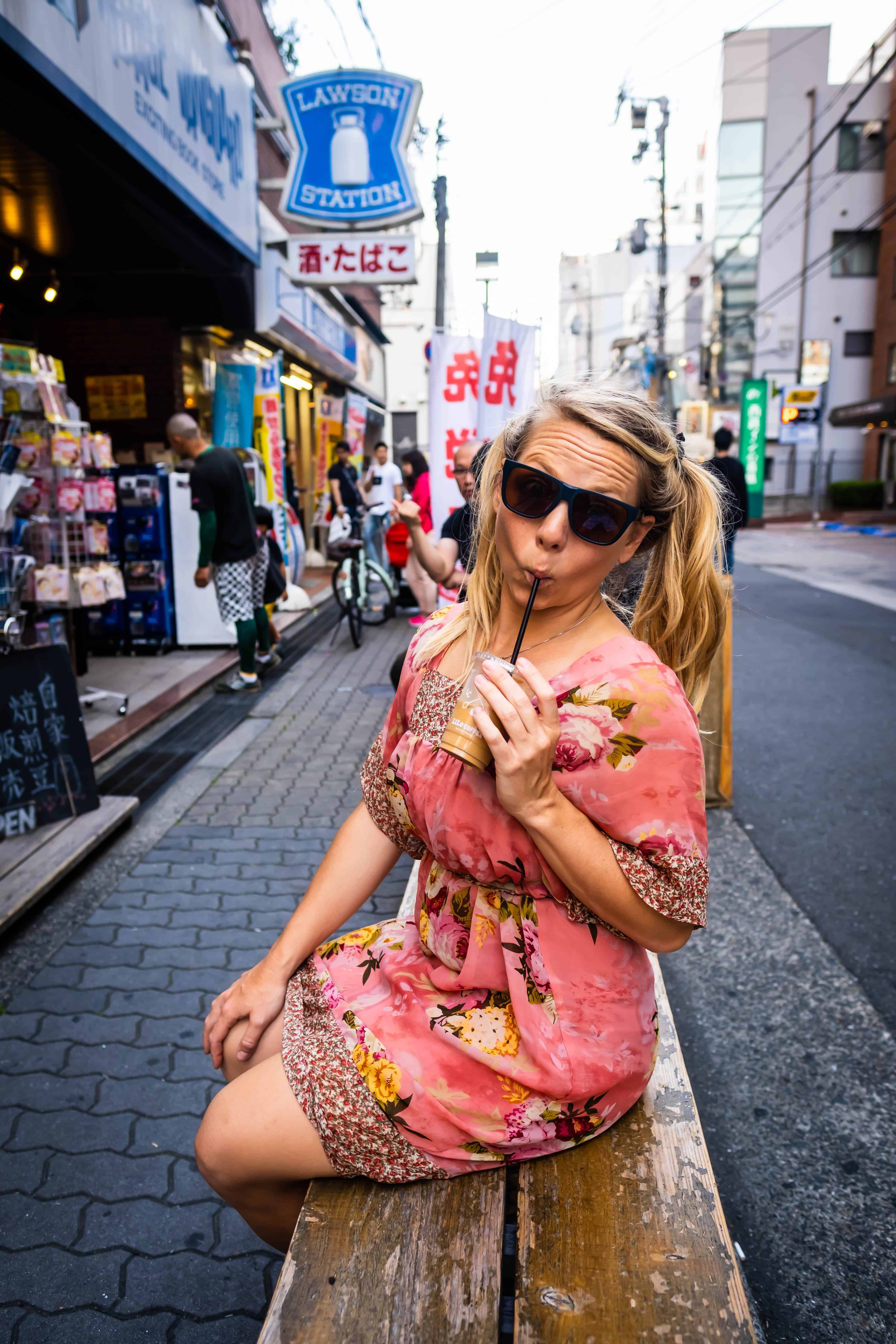
Good coffee that doesn’t come out of a vending machine can be hard to find in Japan, so we’re always happy to find a shop like Lilo. It’s small and serves excellent pour-overs and lattes. Each cup comes with a card explaining the beans’ origin and tasting notes.
Browse Den-Den Town


Den-Den Town (Nipponbashi) is Osaka’s version of Akihabara. It’s packed with electronics shops, anime and manga stores, retro games, and figurines. Even if you’re not shopping, it’s an entertaining street to wander.
See the Lion Head at Namba Yasaka Shrine
This small shrine is famous for its stage shaped like a giant lion head, with its mouth wide open. The lion is said to swallow bad luck. It’s a short walk from Namba and one of the most photogenic stops in the city.
Wander Shinsekai at Night
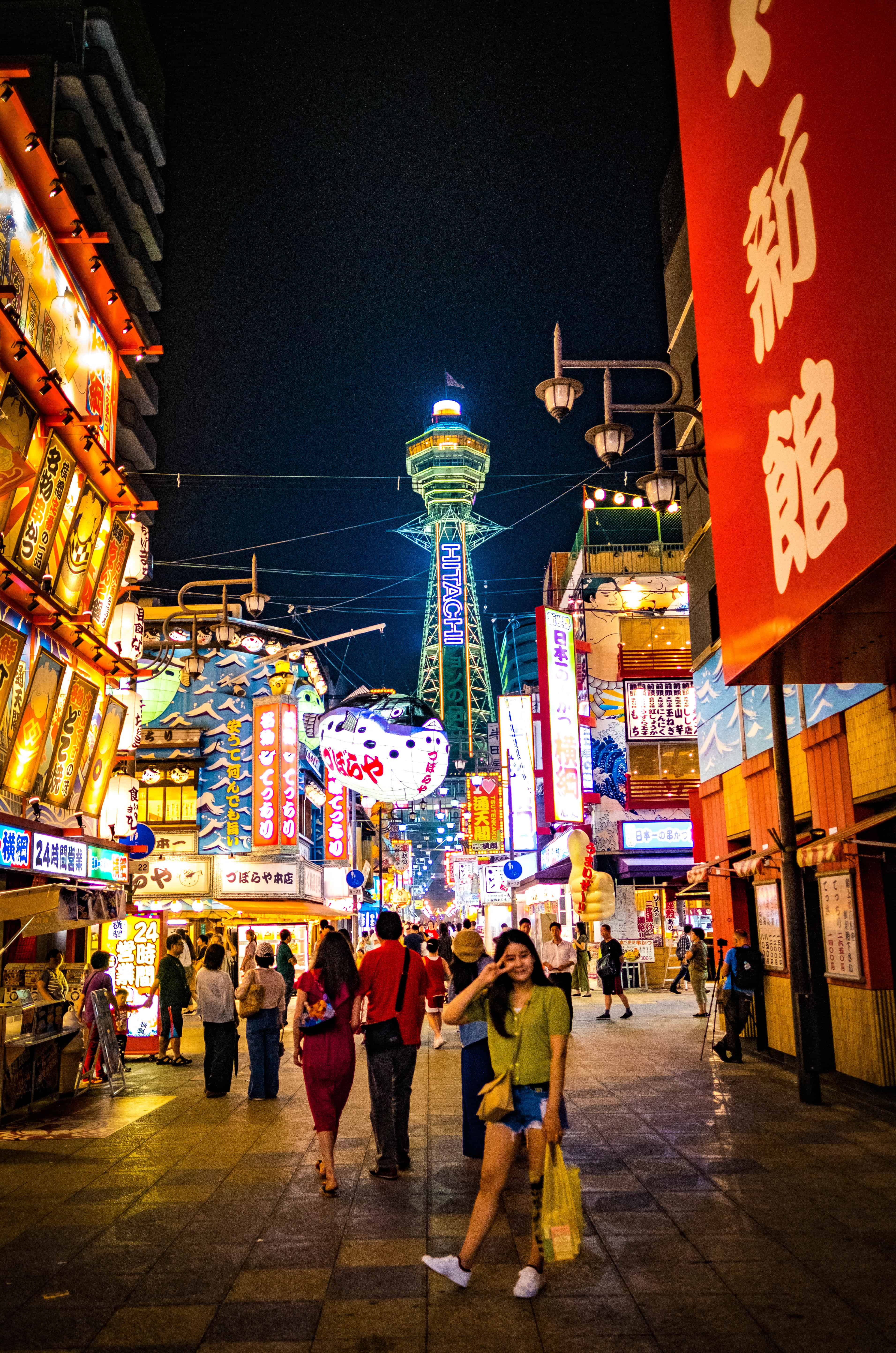
Shinsekai is an old neighborhood built around Tsutenkaku Tower. It’s full of retro signs, kushikatsu (fried skewer) joints, and a nostalgic Showa-era feel. It has a gritty reputation, but we went at night to take photos and felt completely fine. Order the kushikatsu, and remember the rule: no double-dipping in the shared sauce.
Visit Sumiyoshi Taisha

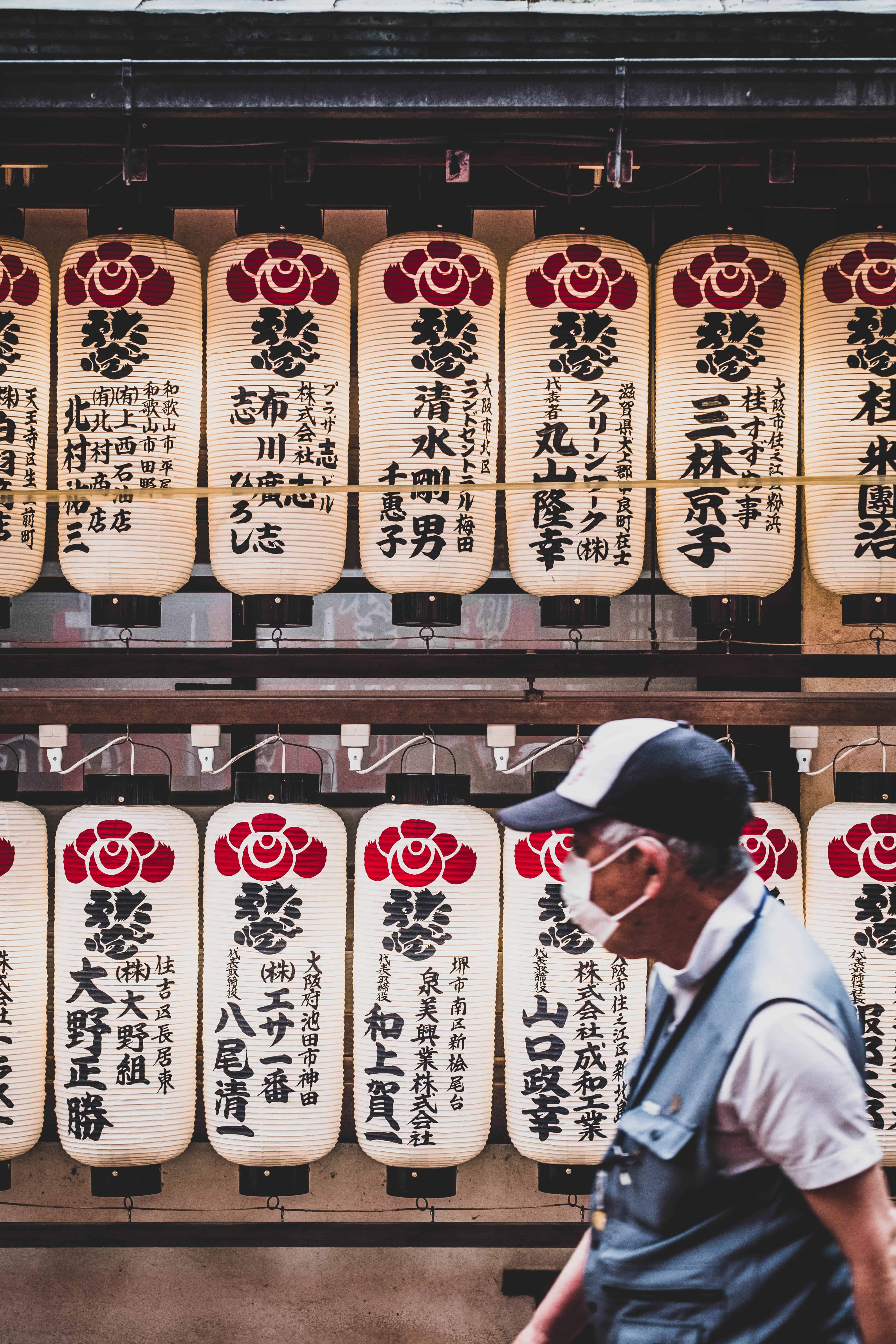

Sumiyoshi Taisha is one of Japan’s oldest shrines; tradition dates its founding to the year 211. Its halls are built in a distinctive style that predates Buddhist influence on Japanese architecture, and the steep red arched bridge at the entrance is the classic photo. The shrine honors deities who protect sailors and travelers. It’s packed at New Year, but we visited on a weekend and had it almost to ourselves.
Tour Osaka Castle

Osaka Castle is the city’s best-known landmark, and its history is more complicated than it looks. Toyotomi Hideyoshi built the original in the 1580s, but it was destroyed in 1615. The Tokugawa rebuild then lost its main tower to lightning in 1665.

The tower you see today was rebuilt in 1931 with money raised by Osaka residents. Inside is a museum about Hideyoshi and the castle’s history, with an observation deck on the top floor. The surrounding park is free and lovely during cherry blossom season. Entry to the main tower is ¥1,200 for adults.
Spend an Afternoon on Nakanoshima

Nakanoshima is a narrow island between two rivers in central Osaka. It has riverside walking paths, a rose garden, historic buildings, and two good museums side by side.
The National Museum of Art Osaka is mostly underground, beneath a steel sculpture-like entrance designed by César Pelli. The Nakanoshima Museum of Art opened next door in 2022, in a striking black box of a building.
Watch the Sunset from the Umeda Sky Building
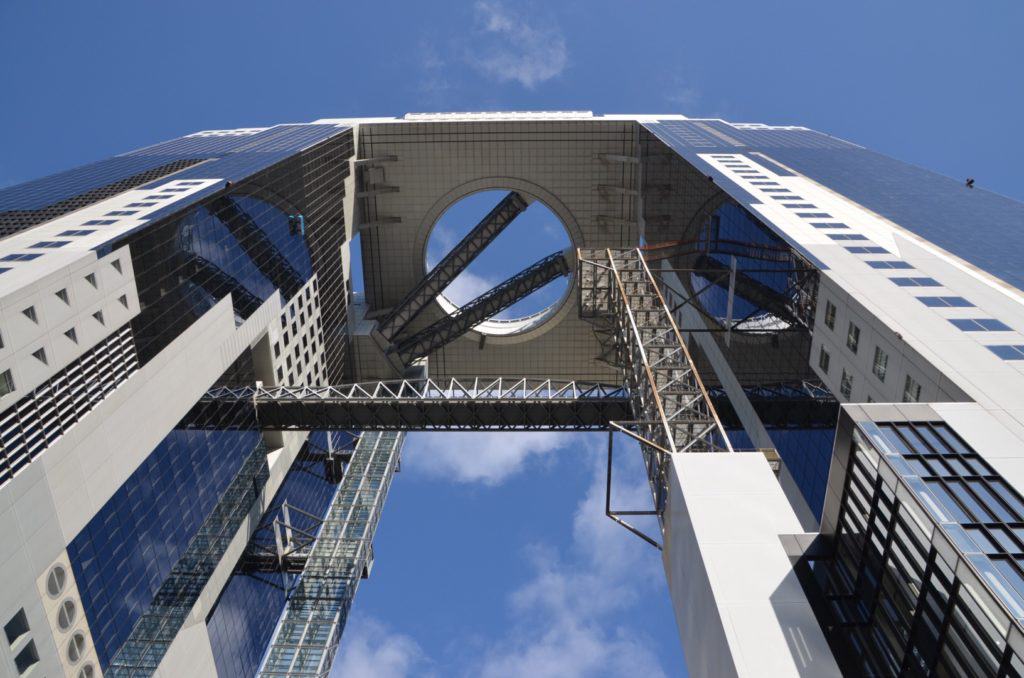
Two towers connected at the top by a floating observatory make this one of Osaka’s most unusual buildings. You ride a glass escalator across the gap between the towers to reach the open-air rooftop deck, which is best at sunset.
The observatory is open daily from 9:30 a.m. to 10:30 p.m. (last entry 10 p.m.). Downstairs, Takimi Koji is a basement food street built to look like old Showa-era Osaka.
Relax in Umekita Park at Grand Green Osaka
This is the biggest change in Osaka since our last visit. The old freight yards next to Osaka Station have become Grand Green Osaka, a huge new district with Umekita Park at its center. It’s a large green space right beside the station, with lawns, water features, cafés, and an onsen facility. The full project is due to be finished in 2027.
See a Bunraku Performance

Osaka is the home of bunraku, traditional Japanese puppet theater. Each large puppet is worked by three puppeteers, accompanied by chanters and shamisen music. Full programs at the National Bunraku Theatre are long, but single-act tickets are sometimes available. English audio guides help a lot. Check the Japan Arts Council website for schedules.
Visit the Osaka Aquarium Kaiyukan

Kaiyukan is one of the largest aquariums in the world. It’s built around a huge central tank that holds whale sharks, and you spiral down around it as you move through the exhibits. It’s a great pick with kids or on a rainy day. It’s by the bay, near Osakako Station.
Soak at Spa World
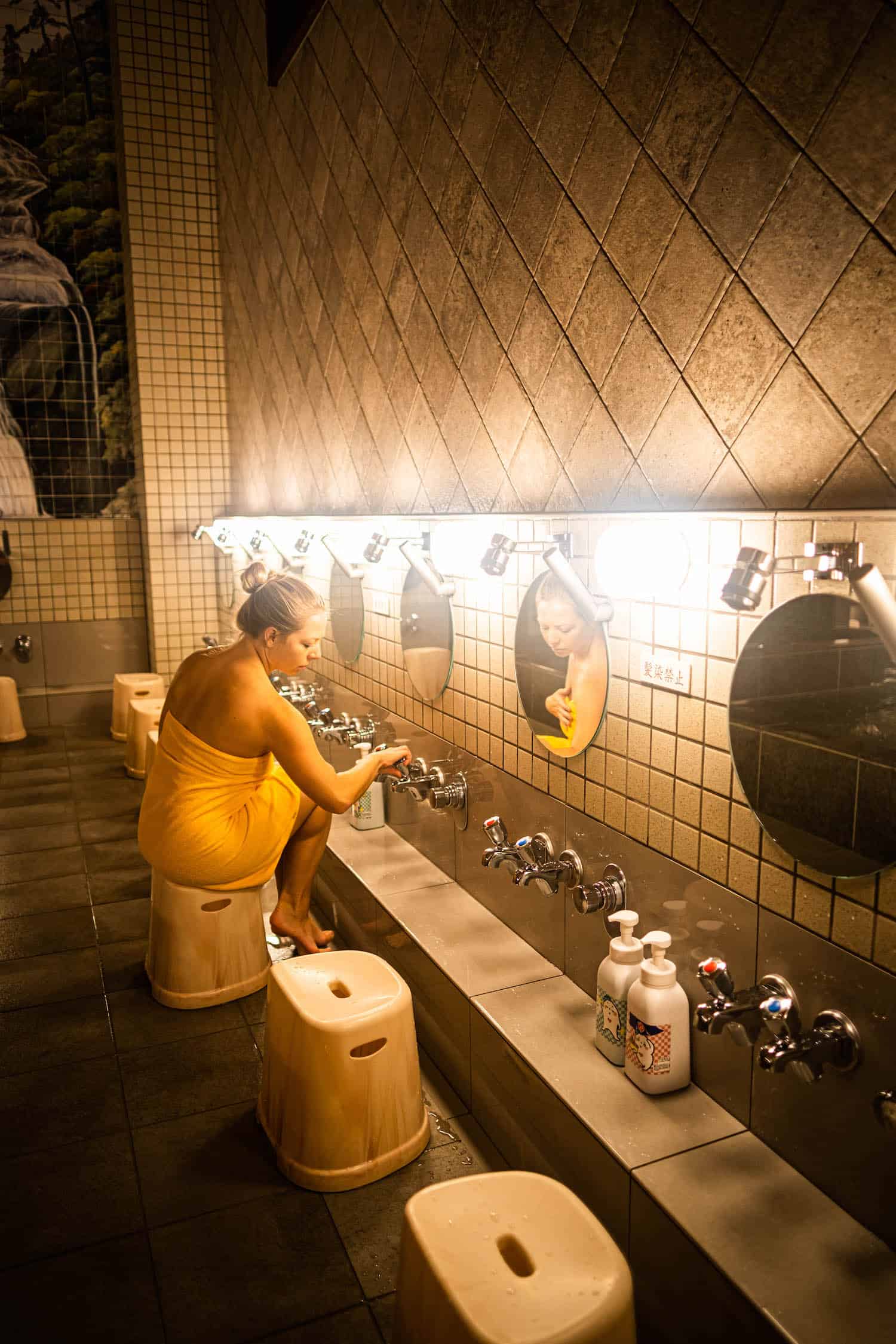
Spa World is a huge bathhouse complex next to Shinsekai. It has two floors of themed baths: Europe-themed (think Roman and Greek baths and Finnish saunas) and Asia-themed (Japanese outdoor baths and Bali-style pools). The floors swap between men and women every month, so what you see depends on when you visit.
There’s also a mixed-gender pool and waterslide area where swimsuits are required. It’s more theme park than traditional onsen, but it’s an easy introduction to Japanese bathing culture. Check the current tattoo policy before you go.
Laugh at ROR Comedy
Osaka is Japan’s comedy capital. If your Japanese isn’t up to manzai, ROR Comedy has been running English-language stand-up since 2011. Its comedians are mostly expats, and the jokes about life in Japan land best once you’ve spent a few days there.
Time Your Trip for Tenjin Matsuri

Held every July 24 and 25, Tenjin Matsuri is one of Japan’s three great festivals, and it has been celebrated for over a thousand years. It honors Sugawara no Michizane, the deified scholar associated with learning. Expect processions in period costume, a river parade of lantern-lit boats, and fireworks. Book accommodation well in advance.
Universal Studios Japan (If You Must)

We’ll keep this short. USJ is hugely popular, especially Super Nintendo World and the Wizarding World of Harry Potter, and it’s a fun day if theme parks are your thing. We’d rather spend the day exploring a country this fascinating. If you go, buy tickets ahead, go on a weekday, and consider an Express Pass.
Where to Stay in Osaka

Namba (Minami) is best for first-timers. You can walk to Dotonbori, Shinsaibashi, Amerika-Mura, and Kuromon, and the Nankai line runs directly to Kansai Airport. It’s loud and busy, and that’s the point.
Umeda (Kita) is best for day trips. It’s Osaka’s biggest transit hub, with JR, Hankyu, and the subway all meeting here. That makes it the easiest base if you’re heading to Kyoto, Kobe, or Himeji. It’s more polished and business-like than Namba.
Shin-Osaka suits a quick stopover. If you’re arriving and leaving by shinkansen, the station area is convenient and usually cheaper, though quiet at night.
Tennoji offers better value. It’s south of Namba, with good transit links and easy access to Shinsekai.
Getting Around Osaka
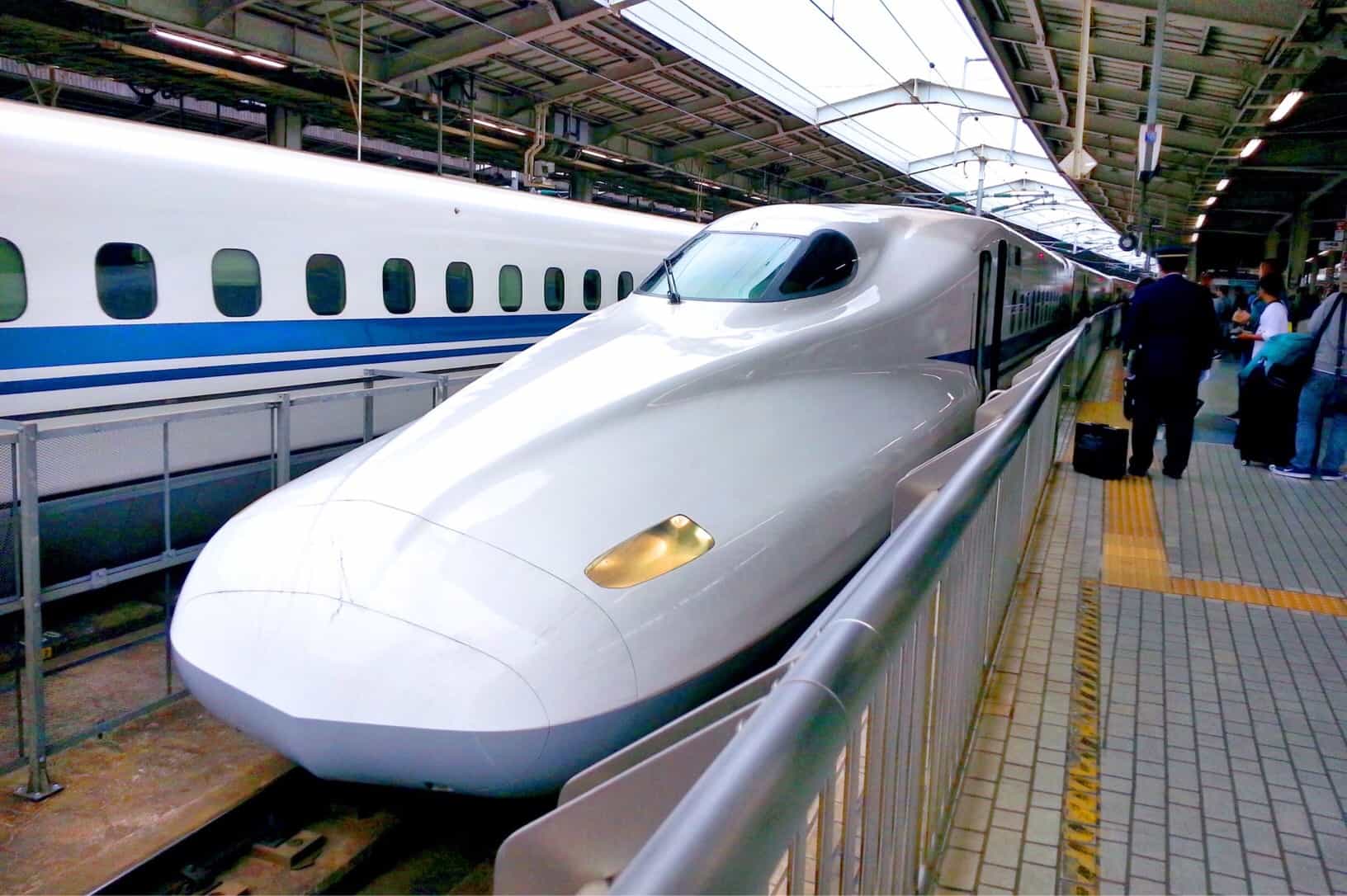
Osaka’s subway is easy to use. The Midosuji line runs north to south and connects Umeda, Shinsaibashi, Namba, and Tennoji. Pick up an ICOCA card on your phone, or just tap a contactless credit card where it’s accepted. Single subway rides start at ¥190.
Keep your ticket until you exit. You’ll need it to get through the gates.
Is the Japan Rail Pass worth it? For most Osaka trips, probably not. Pass prices have jumped since 2023, and from October 1, 2026, the 14-day Ordinary pass costs ¥84,000 through agents. A simple Tokyo–Kyoto–Osaka route usually comes out cheaper with individual shinkansen tickets.
The pass only makes sense if you’re covering long distances within its validity window. For Osaka, Kyoto, and Nara, local trains and a regional pass are usually enough.
Money-Saving Tips for Osaka
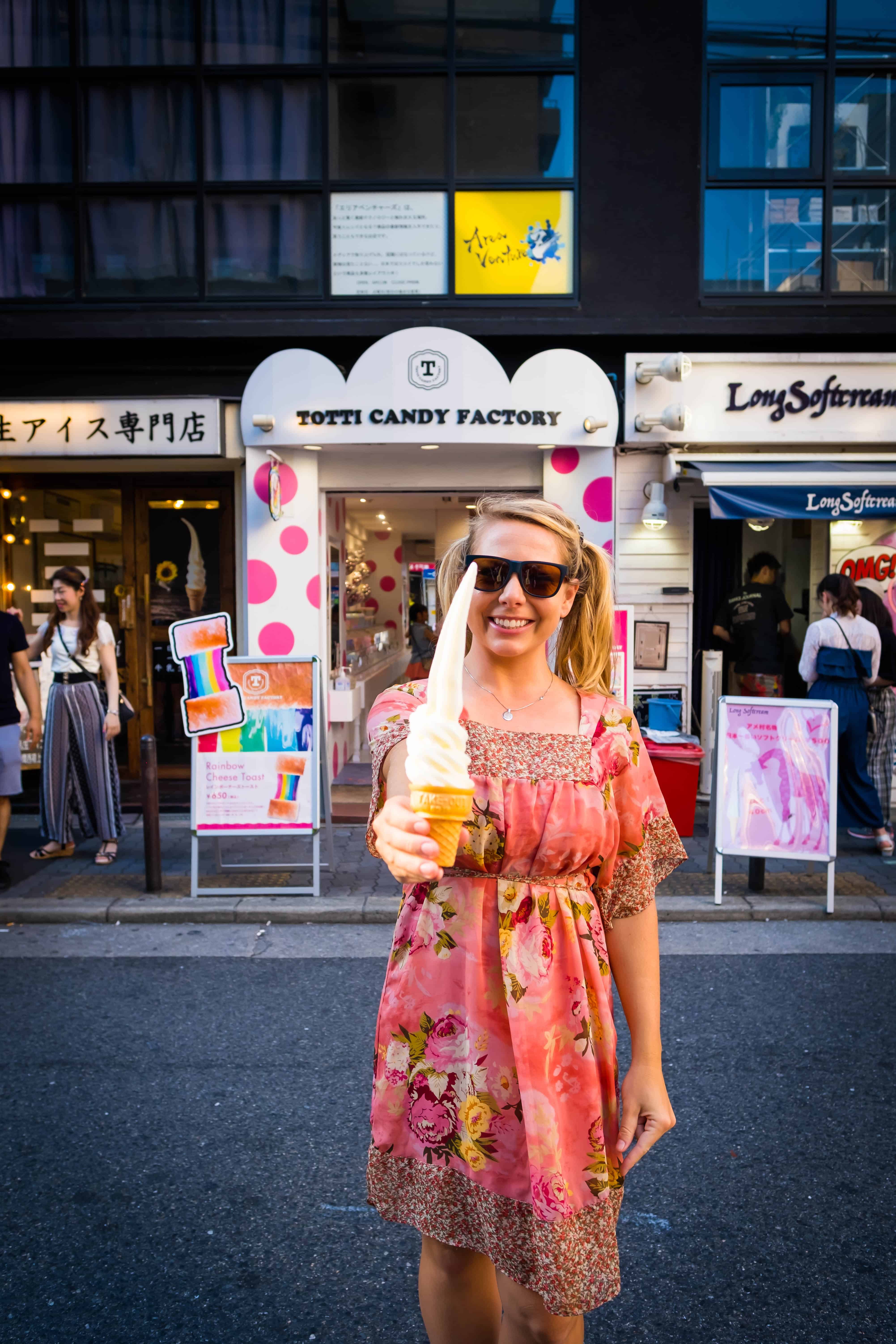
Osaka is one of the better-value big cities in Japan, especially for food. Accommodation is where costs add up, so book early for cherry blossom season, autumn, and festival dates. For a full picture of current prices, see our breakdown of what a trip to Japan costs.
- Eat at konbini (convenience stores). 7-Eleven, Lawson, and FamilyMart sell good onigiri, sandwiches, and coffee at any hour.
- Avoid taxis. They’re expensive, and trains go almost everywhere. Last trains leave around midnight, so plan your late nights around that.
- Look for lunch sets. Many restaurants that are pricey at dinner offer much cheaper set meals at lunch.
- Browse ¥100 shops. Daiso and similar stores are great for travel odds and ends.
Final Thoughts
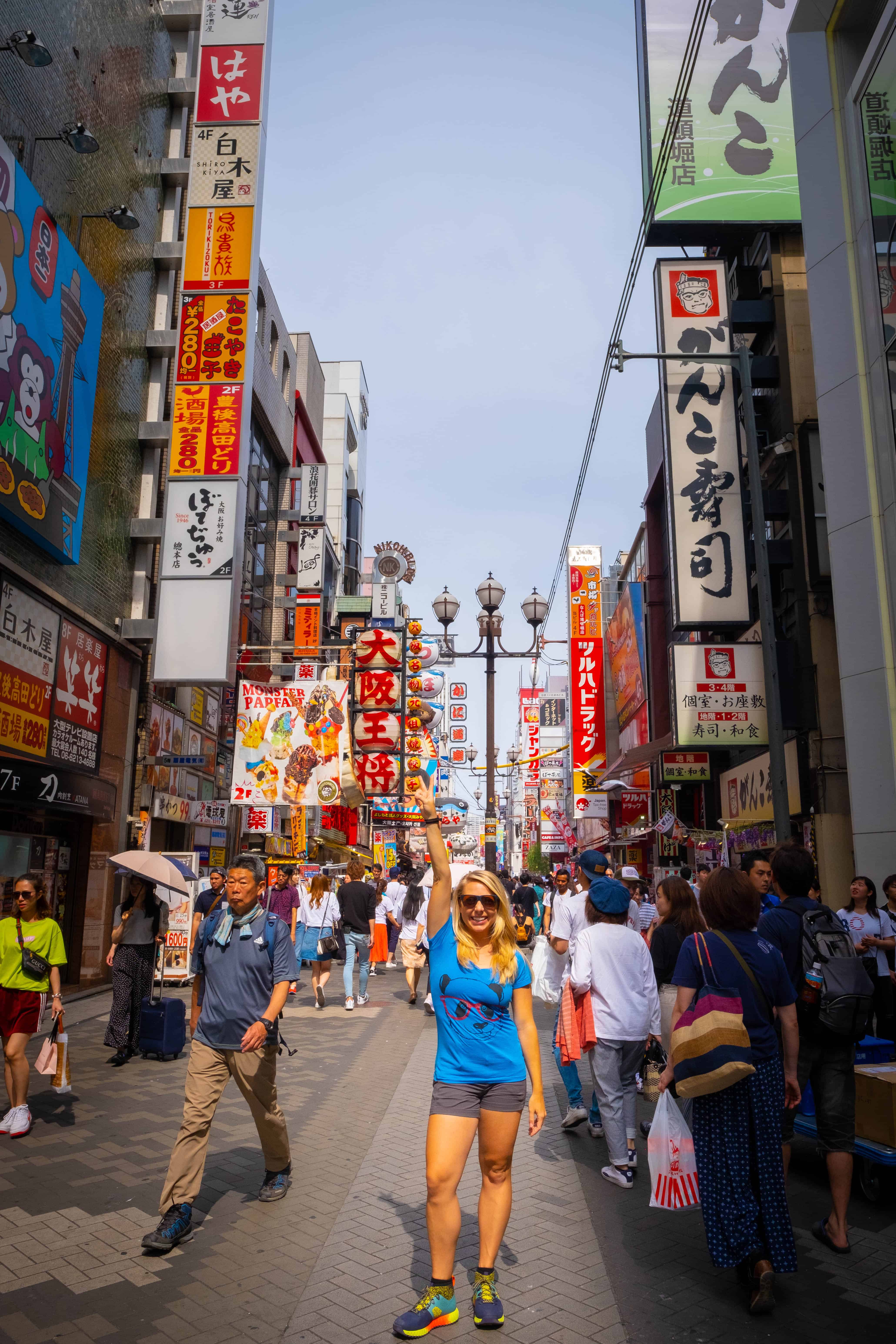
Our best advice for Osaka is simply to explore. Pick a neighborhood, walk until you’re hungry, and eat whatever smells best. The spots above will fill a few great days, but the best parts of Osaka are usually the ones you find by wandering.
Japan Travel Planning Resources
- Packing Guide—Check out our Japan Packing List to help you pack your bags and ensure you leave nothing at home.
- Protect Your Trip — We don’t travel without travel insurance, nor should you. You never know what can happen while traveling, so it’s best to be prepared. HeyMondo provides excellent short-term and long-term travel insurance plans.
- Travel Adapter – Find a good adapter to keep your electronics charged. Otherwise, you may be paying for a cheap one once you land. Purchase one here.
- Book an Experience – See all the best experiences and tours in Japan here.
- Get a Japan Rail Pass (Buy Here) – They make traveling around Japan much easier and cheaper.

