
Things to Do in Eswatini (Formerly Swaziland)

Eswatini was one of our first stops in Southern Africa, and it turned out to be the perfect introduction to the region. It’s small, easygoing, and packed with friendly people, gorgeous handcrafts, and wildlife you can actually get out of the car to see. It won’t be the headline of most Southern Africa trips, but if you have a few extra days, it’s well worth exploring.
So… Where Is Eswatini?

“We’re going to Swaziland next,” I told my parents while running through our travel plans.
“Where?”
“Swaziland. You know, they still have a king there.”
“Oh, that’s great. Be safe!”
They had no idea where we were going, just that it was somewhere in Africa. To be fair, a couple of years before that trip, we hadn’t heard of it either. And to make things even more confusing, it’s not called Swaziland anymore. In 2018, King Mswati III officially renamed the country the Kingdom of Eswatini, meaning “land of the Swazi.” You’ll still see the old name on signs and hear locals use it, but Eswatini is the official name today.
So, for the record, Mom and Dad: Eswatini is a small, landlocked kingdom in Southern Africa, tucked between South Africa and Mozambique. It’s one of the smallest countries on the continent and one of the last absolute monarchies in the world. Yes, a real king, ruling a real kingdom.
It’s also tiny enough, with good enough highways, that you can get almost anywhere in the country and back in a single day.
A Few Things That Surprised Us About Eswatini

- Lightning strikes are shockingly common. Eswatini has one of the highest rates of people struck by lightning per capita in the world. We made a point of asking everyone we met whether they knew someone who’d been hit. “Of course,” was the usual answer. “It’s something in the ground.”
- The police really do run radar. We know this from personal experience. Watch your speed, especially through small towns.
- There’s a church on every block. Or close to it. Eswatini is predominantly Christian, and Sunday is a big day.
- Its HIV story is a sobering one, and a hopeful one. Eswatini has the highest HIV prevalence in the world, and it has shaped the country for decades. But it was also the first country in Africa to hit the UN’s 95-95-95 treatment targets, a full decade ahead of schedule.
- Pharmacies are easy. For minor ailments, the pharmacist can usually help you right at the counter, and medicine is affordable. Still, bring any prescriptions you need from home.
The Best Things to Do in Eswatini
Hike Sibebe Rock

Just outside the capital, Mbabane (which, we’ll be honest, isn’t the most exciting city), is Eswatini’s most famous landmark. Sibebe is an enormous granite dome, often called the second-largest freestanding rock in the world after Uluru.
You can admire it from below or spend a morning hiking to the top. The climb takes a few hours round-trip and includes some steep scrambles over smooth rock, so wear shoes with good grip. Walks start from the visitor centre at Mbuluzi Gate, and local community guides wait near the start if you’d like someone to show you the route. Bring cash for entry and guiding. When we went, the price depended mostly on the mood of the staff that day.
Pro tip: pack a couple of Sibebe Lagers, the local beer named after the rock, and enjoy them at the summit.
Have a Sundowner at House on Fire

House on Fire, at Malandela’s Farm in the Malkerns Valley, is one of the most eclectic places we’ve ever been. It’s an open-air performance venue covered in wild sculptures and artwork, with shops, a gallery, a restaurant, and a B&B surrounding it, all set against a classic African backdrop.
Wander the sculptures, then settle in for a sundowner at Malandela’s restaurant. We ate here more than once, and the food didn’t disappoint. If you’re visiting in May, check the dates for the Bushfire Festival, a multi-day music and arts festival held right here that draws crowds from across the continent.
Save time for the shops. Our favourite was Gone Rural, a social enterprise that employs Swazi women to make handcrafts in their home villages, so they can earn an income while still caring for their families and homesteads. The baskets and homewares are beautiful, and you won’t find anything like them back home.
Go Shopping at Swazi Candles

Eswatini produces an astonishing range of handmade goods, and if you’re ready to part with some money, an afternoon at the Swazi Candles craft centre will take care of that. The moment you walk in, your eyes go straight to the hundreds of candles, every one of them handmade, each with its own texture, colour, and design.
When you’ve finished admiring the candles, there are plenty more shops to browse, plus a café for a break. A true shopaholic could easily lose a couple of hours here.
Walk With Zebras at Mlilwane Wildlife Sanctuary

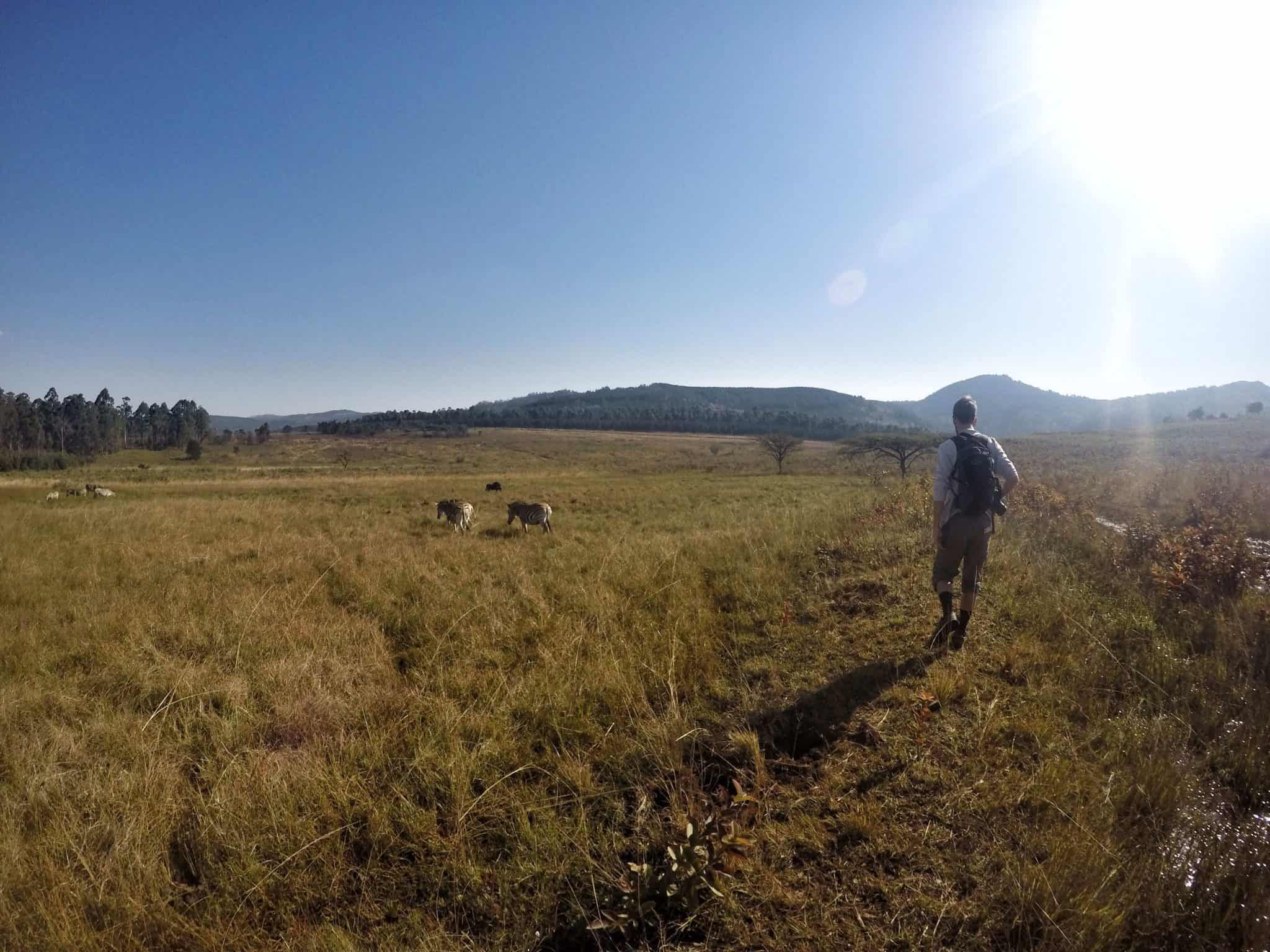
In the Ezulwini Valley, Mlilwane Wildlife Sanctuary is a refreshing change of pace, especially if you’ve just come from Kruger. Unlike Kruger, you’re allowed out of the car, so you can walk, cycle, or ride horses among zebra, impala, and warthogs. There are no big predators wandering around (although there were rumours of a leopard while we were there).
We loved seeing wildlife without a windshield in the way. Stop for lunch at the Hippo Haunt Restaurant; we had an excellent vegetable curry, and the hippos in the pool out front live up to the name.
Want a more traditional safari? Hlane Royal National Park and Mkhaya Game Reserve both have bigger game, including rhinos.
Stop at Ngwenya Glass Right After the Border
Did we mention Eswatini has amazing handcrafts? Just after crossing the Oshoek/Ngwenya border post from South Africa, pull over at Ngwenya Glass to watch glassblowers turn recycled glass into glasses, animal figurines, and paperweights. There’s a café on site too, in case you need a pick-me-up after the long drive into the Kingdom.
Explore Bulembu, a Former Asbestos Mining Town (No Sniffing Required)
Bulembu was once a booming mining town that produced huge amounts of asbestos. It had schools, housing, a social club, and even a cinema. Then the world caught on to the dangers of asbestos, the mine closed in 2001, and Bulembu became a ghost town almost overnight.
Today the town has been revived as a community caring for orphaned and vulnerable children, funded in part by local businesses and tourism. You can visit the mining museum, pick up something from the bakery, stay in converted miners’ cottages at the lodge, and wander the eerie abandoned buildings, including that old cinema. It was one of our favourite experiences in the whole country.
Heads up: the road from Piggs Peak to Bulembu is gravel, and the Bulembu border crossing into South Africa closes in the afternoon, so plan your drive accordingly.
Hike Emlembe and Stand in Two Countries at Once
From Bulembu, you can hike Emlembe, the highest point in Eswatini. The summit sits right on the border, so you can stand with one foot in Eswatini and one in South Africa, no passport stamp required (just don’t tell anyone). The views over both countries make the climb worthwhile. Trails start near town and the lodge can arrange a guide. Give yourself at least half a day.
How Long to Spend in Eswatini
Two to four days is a good amount of time for most travellers. That’s enough to base yourself in the Ezulwini or Malkerns valleys for Mlilwane, House on Fire, the craft shops, and Sibebe, then head north to Bulembu if you have an extra day. Eswatini works especially well as a stop between Kruger and the KwaZulu-Natal coast or on the way to Mozambique.
Eswatini Travel Tips
- Visas: Many nationalities, including US, Canadian, and UK passport holders, can visit visa-free for up to 30 days. Check the current rules for your passport before you go.
- Border crossings: Ours were painless, and the officials were surprisingly friendly. Check opening hours before you drive, since smaller border posts close early.
- Money: The local currency is the lilangeni (plural: emalangeni). It’s pegged 1:1 to the South African rand, and rand is accepted almost everywhere. You’ll often get emalangeni back as change, so spend them before you leave, as they’re hard to use outside the country.
- SIM cards and data: Eswatini has two mobile networks, MTN and Eswatini Mobile. Data costs more than in South Africa, so grab an eSIM or local SIM. Coverage is solid around Mbabane, Manzini, and the Ezulwini Valley and patchier in rural areas and reserves.
- Language: SiSwati and English are both official languages, and English is widely spoken in towns.
- What to wear: Dress modestly, particularly in rural areas and on Sundays.
- Umhlanga (Reed Dance): Held around late August or early September, the Reed Dance is one of the country’s biggest cultural events and a fascinating window into Swazi tradition. Dates are set each year, so confirm before planning your trip around it.
Is Eswatini Worth Visiting?
If you’re short on time in Southern Africa, Eswatini probably won’t top your list, and that’s fine. But if you have a few spare days, it’s a pleasant, easygoing introduction to the region, with friendly people, great handcrafts, and just enough quirks (lightning, kings, asbestos ghost towns) to keep things interesting. We’re glad we made the detour.

